- Pick what you need and give your kitchen's ZIP code.
- Each service goes to the number of local companies you choose, from one to five. We check licenses where the law requires one and email you their names.
- You talk with them and decide. You hire and pay the company directly.
U.S. Bureau of Labor Statistics, private restaurants and other eating places
Facts checked 2026-11-15.
A restaurant kitchen in Buffalo deals with the Erie County Department of Health for its food permit, the City of Buffalo for its restaurant license and code review, and the county sewer districts for grease. If your address is in another Erie County town, ask that town's code office which steps apply.
1. 1,711 eating places in Erie County
The Bureau of Labor Statistics counted 1,711 private restaurant and eating-place establishments in Erie County in 2025. That is down from 1,723 in 2019, a 0.7 percent decrease. The industry employed 30,205 people in the county in 2025.
2. The county health department issues the food permit
Environmental Health, part of the Erie County Department of Health, issues food service permits from 503 Kensington Ave, Buffalo, NY 14214, phone (716) 961-6800. A previously permitted facility applies at least 21 days before operation. New construction or an extensive remodel submits a Plan Review Application first.
The county asks for proof of NYS Workers Compensation and Disability Benefits coverage, then schedules a pre-operational inspection. Contact can take up to ten days, and a passing inspection should lead to a permit within three business days. Inspections are risk-based, at least one to two a year, and unannounced. They also follow complaints. Permits renew every year in the month issued and are not transferable. Inspection records are online.
A local company can take it from here. One form, free for restaurants.
Get a quote3. Buffalo licenses restaurants under Chapter 370
Under Chapter 370 of the Buffalo city code, no restaurant runs without a license from the Commissioner of Permit and Inspection Services. Before the license is issued, the application goes to the Health Commissioner for health and sanitation, the Commissioner of Fire for fire hazards, exits and fire-fighting equipment, and the police. The license expires September 1, and the fee depends on seating capacity.
The Department of Permit and Inspection Services reviews and inspects for the NYS Building and Fire Code and the Buffalo Green Code. Its license page lists a Restaurant application, a Restaurant Take Out application and a Fire Prevention Code application. We did not confirm whether the fire application is required for every restaurant, so ask the department.
4. Sewer districts set the grease separator rule
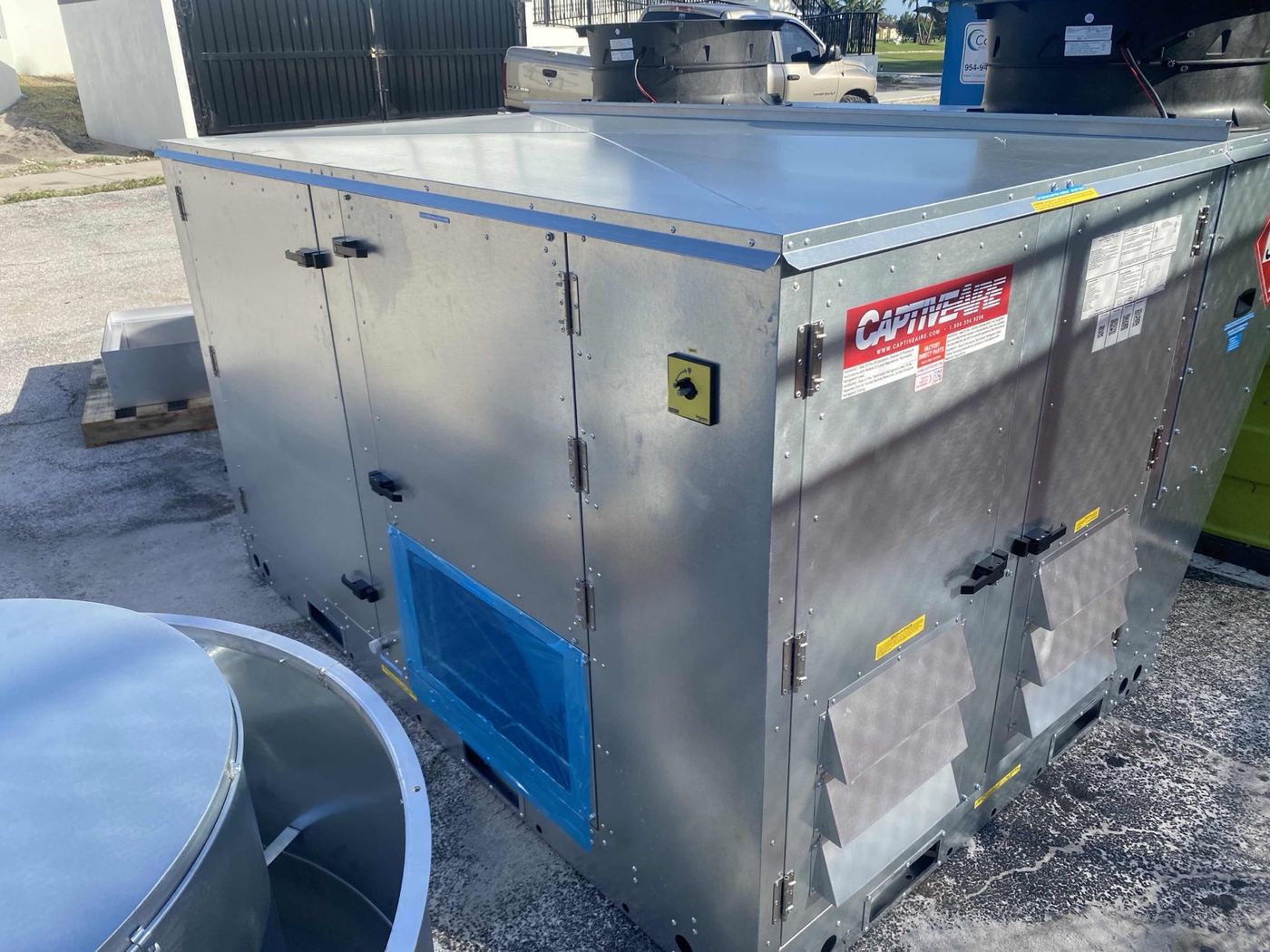
The Erie County Sewer Districts guidelines say an exterior oil and grease separator of at least 750 gallons is the minimum standard for food service. Under-counter units are not accepted for protecting the public sewer, and the discharge limit for oil and grease is 100 mg/l. The authority is Section 504 of the Rules and Regulations for Erie County Sewer Districts.
The user pays for installation, inspection, cleaning and maintenance. Cleaning is recommended when grease and solids take up more than 25 percent of the storage volume. Interior grease traps are opened and checked at least weekly, and separators are pumped completely when serviced.
5. Logbooks and manifests
Keep a bound logbook of cleaning, maintenance and inspection dates. Hauler manifests, showing the hauler name, dates, quantity and disposal site, stay on site at least three years. Penalties can include suspension of discharge privileges.
The county's grease program page says about 25 percent of sanitary sewer overflows are caused by blockages from fats, oils and grease. The Division of Sewerage Management is at 95 Franklin Street, Buffalo, phone (716) 858-8383. See the grease trap guide.
6. Where to start
- Call Environmental Health at (716) 961-6800 for the plan review application.
- Ask Buffalo's Department of Permit and Inspection Services about the restaurant license and code review.
- Call the Division of Sewerage Management before you fix the separator size.
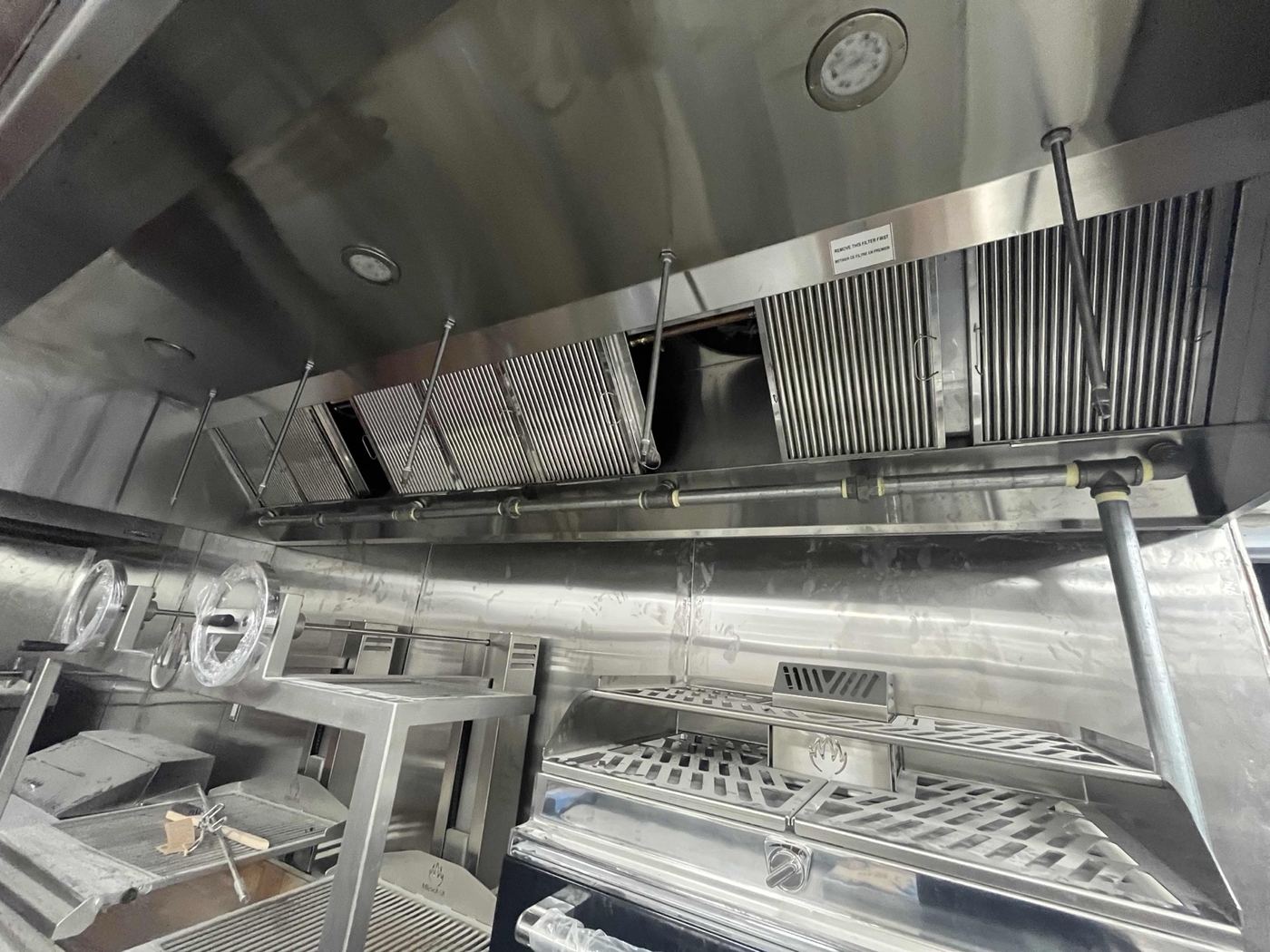
- Ask the city or town fire office who services hoods and suppression systems. Our research found no county extinguisher licensing in Erie.
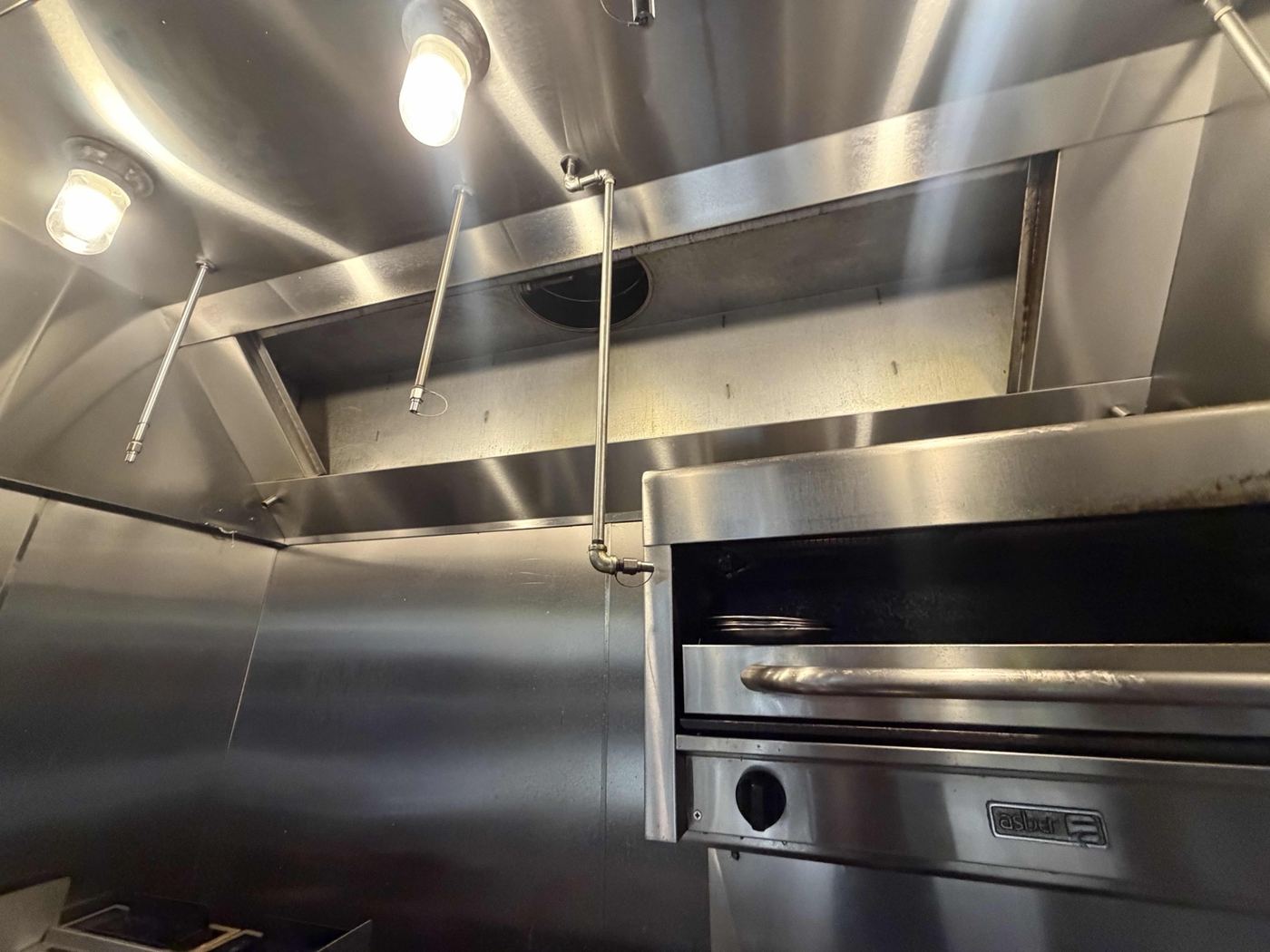
For hood, suppression or grease trap work in Erie County, the form sends the request to the number of local companies you choose (one to five).
Other places in New York
Questions
Who issues restaurant food permits in Erie County?
The Environmental Health Division of the Erie County Department of Health, at 503 Kensington Ave in Buffalo. Permits renew annually and cannot be transferred.
Does Buffalo require a restaurant license?
Yes. Chapter 370 of the city code bars operating without a license from the Commissioner of Permit and Inspection Services, and it expires every September 1.
How big must a grease separator be in Erie County?
The sewer districts guidelines set an exterior separator of at least 750 gallons as the minimum standard for food service.
How long must I keep grease hauler manifests?
At least three years on site, according to the Erie County Sewer Districts guidelines, alongside a bound logbook of cleaning and inspections.
Sources
- BLS QCEW restaurants, 2025
- BLS QCEW restaurants, 2019
- Erie County, how to open a food service establishment
- Erie County food inspections
- Erie County oil and grease separator guidelines
- Erie County FOG program
- Buffalo city code, Chapter 370 Restaurants
- Buffalo Permit and Inspection Services
- Buffalo license applications and code requirements