- Pick what you need and give your kitchen's ZIP code.
- Each service goes to the number of local companies you choose, from one to five. We check licenses where the law requires one and email you their names.
- You talk with them and decide. You hire and pay the company directly.
U.S. Bureau of Labor Statistics, private restaurants and other eating places
Facts checked 2026-11-15.
A kitchen in White Plains answers to two offices. The Westchester County Department of Health reviews the plans and issues the food permit, and the city's Building Department handles the construction permits and the fire side. Another municipality in the county has its own building office, so check with it first.
1. 2,126 eating places in Westchester County
The Bureau of Labor Statistics counted 2,126 private restaurant and eating-place establishments in Westchester County in 2025. That is nearly level with 2,129 in 2019, a 0.1 percent decrease. The industry employed 24,991 people in 2025. Counting delis and mobile carts, the county health department puts the number of places serving food near 4,000.
2. The health department reviews plans before any construction
New construction, a converted building and a remodel all need approved plans before work starts. The review fee depends on seating: $250 for 0 to 100 seats, $330 for 101 to 200 and $420 above that, none of it refundable. A later review of the same plans may cost another $85. It wants at least two sets of plans drawn to scale and keeps one stamped set when it approves them.
After construction a pre-opening inspection follows. Equipment must be running, hot water on and refrigeration holding temperature, and no perishable food may be inside until the place passes. Routine inspections afterward are unannounced and the results are posted on health.data.ny.gov. The office is at 148 Martine Avenue, White Plains, NY 10601, phone (914) 995-2000.
A local company can take it from here. One form, free for restaurants.
Get a quote3. What the county's plan notice says about hoods
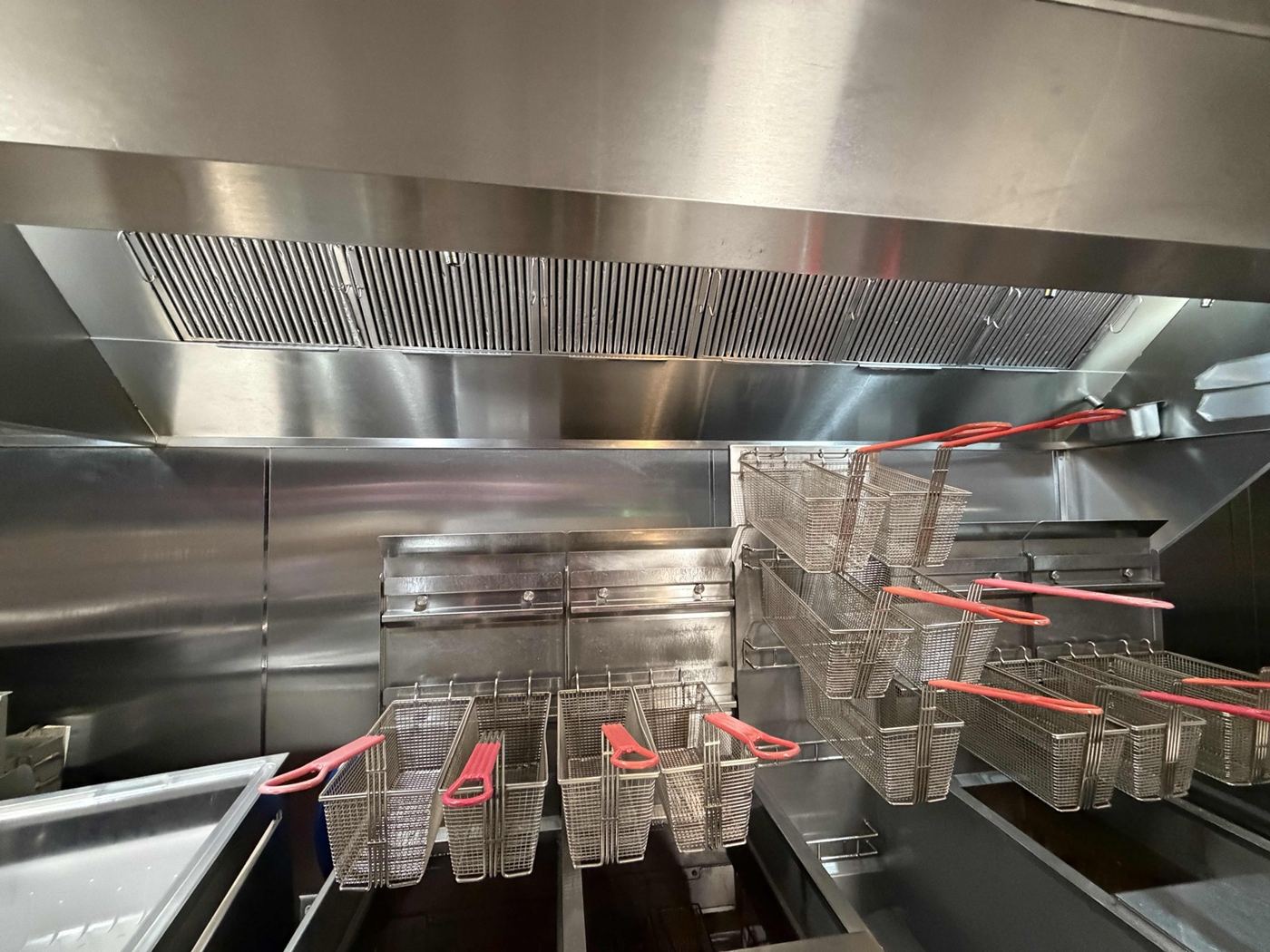
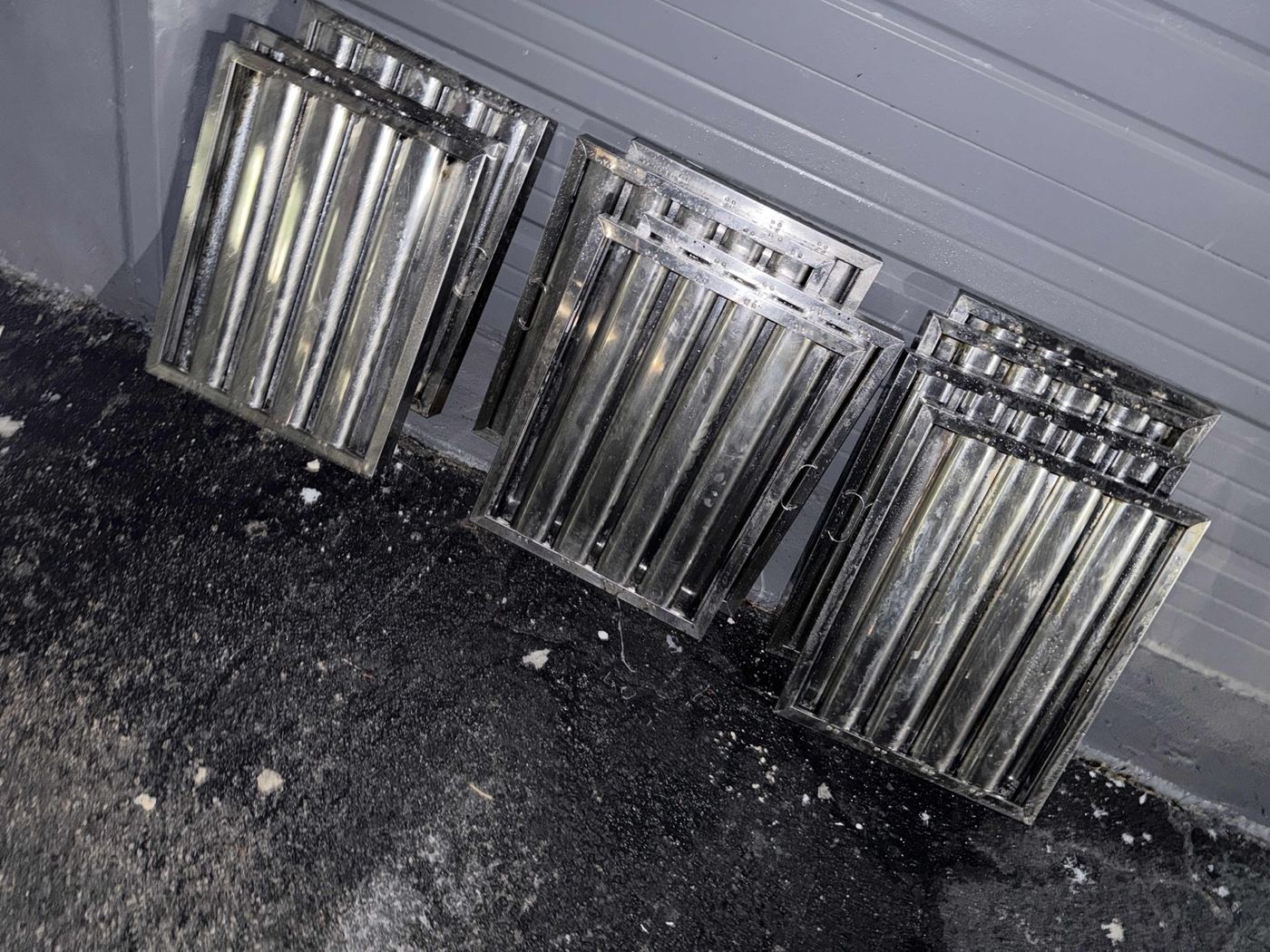
Cooking equipment that gives off steam, grease, smoke or heat goes under an exhaust hood. The notice calls for hoods that meet NSF Standard 2 and are built, installed and kept up under NFPA 96. A Type 1 hood, used where fatty foods or oils leave a film of grease, carries removable grease filters, and every hood reaches at least six inches past the sides of the equipment.
Ventless hoods are judged case by case and can limit the permit to cooking non-fatty proteins. Wood or charcoal equipment needs the local fire and building departments to approve its use and location, and anything over 1,000,000 BTU needs a permit from the county's Division of Air Quality. The hood guide explains the codes behind these lines.
4. The city handles fire and exhaust licensing in White Plains
White Plains takes permit filings in person at the Building Department, weekdays from 9 a.m. to 1 p.m., with two sets of design documents. Drawings need a New York State registered design professional's seal if the job involves structural work, life safety or costs more than $20,000. Food service uses also need clearance from the county health board. The phone is (914) 422-1269.
White Plains' November 2024 business guide sets the fire detection and suppression fee at $100 for the first $1,000 of estimated cost plus $16 for each added $1,000. Taking over a space with no changes still needs a building permit, and the Fire Prevention Bureau checks alarm and sprinkler records.
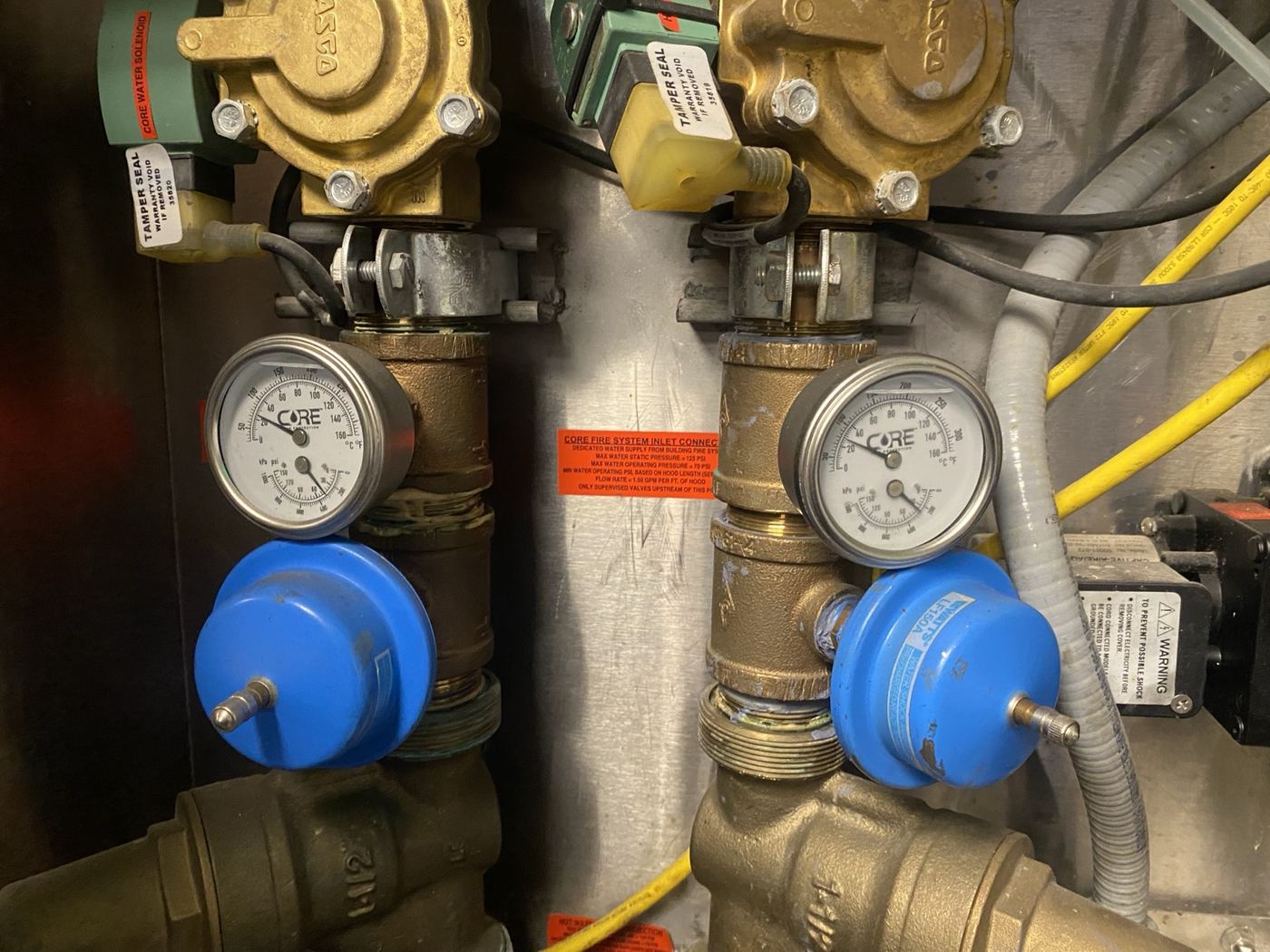
That guide also says kitchen exhaust systems must be cleaned, tested and inspected every year under NFPA 96, Chapter 8. The city issues a license for commercial cooking and kitchen exhaust once it receives the owner's annual verification report. The guide warns that its printed documents control. See the hood cleaning guide.
5. Grease traps sit with the building department
Under the county notice, the number and size of grease traps is left to the local building department, and any trap must be shown on the plans. Dumpsters and grease containers must sit on smooth concrete or asphalt and be enclosed. The county's sewer law is Chapter 824 of the Laws of Westchester County, enforced by its Department of Environmental Facilities, and we did not find a grease program on that office's public page. The grease trap guide covers the wider rules.
6. First calls for a new kitchen
- Ask the county health department for the notice to plan preparers and the fee for your seat count.
- Ask your municipality's building department what it needs for hood, suppression and grease trap work.
- If you are in White Plains, ask the Building Department about the annual exhaust license.
- Check the plumbing: two public bathrooms are required where alcohol is sold or there are twenty or more seats.
A request for hood, suppression or grease trap work in Westchester County goes to the number of local companies you choose, from one to five.
Other places in New York
Questions
What does a plan review cost in Westchester County?
The county health department charges $250 up to 100 seats, $330 for 101 to 200 and $420 above 200. The fee is not refundable, and a later review of the same plans may add $85.
Does Westchester County approve hoods?
The health department sets hood standards in its plan notice, but the local municipality approves the ventilation installation. Ask your building department which permits it wants.
Does White Plains require a license for kitchen exhaust cleaning?
According to the city's business guide, kitchen exhaust systems are cleaned and inspected yearly under NFPA 96, and the city issues a license after it receives the owner's annual verification report.
Who decides how big a grease trap must be in Westchester?
The county plan notice says the local building department has jurisdiction over the number and size of grease traps, so the answer depends on your municipality.