- Pick what you need and give your kitchen's ZIP code.
- Each service goes to the number of local companies you choose, from one to five. We check licenses where the law requires one and email you their names.
- You talk with them and decide. You hire and pay the company directly.
Facts checked 2026-11-15.
New York's Fire Code sets how often a restaurant hood and duct system is inspected, and it ties cleaning to what the inspection finds. The rules sit in section 606.3.3 of the 2025 Fire Code of New York State.
1. How often the system is inspected
Section 606.3.3 says hoods, grease-removal devices, fans, ducts and other parts are cleaned at the intervals set by sections 606.3.3.1 through 606.3.3.3. Table 606.3.3.1 sets how often they are inspected, by kind of cooking:
| Kind of cooking | Inspection interval |
|---|---|
| Solid-fuel cooking | 1 month |
| High-volume cooking (24-hour cooking, charbroiling, wok cooking) | 3 months |
| All other cooking | 6 months |
| Low-volume cooking (places of religious worship, seasonal businesses, senior centers) | 12 months |
The inspection is done by qualified individuals, or at an interval the fire code official approves. Ask that official which row of the table applies to your menu.
2. What happens when grease has built up
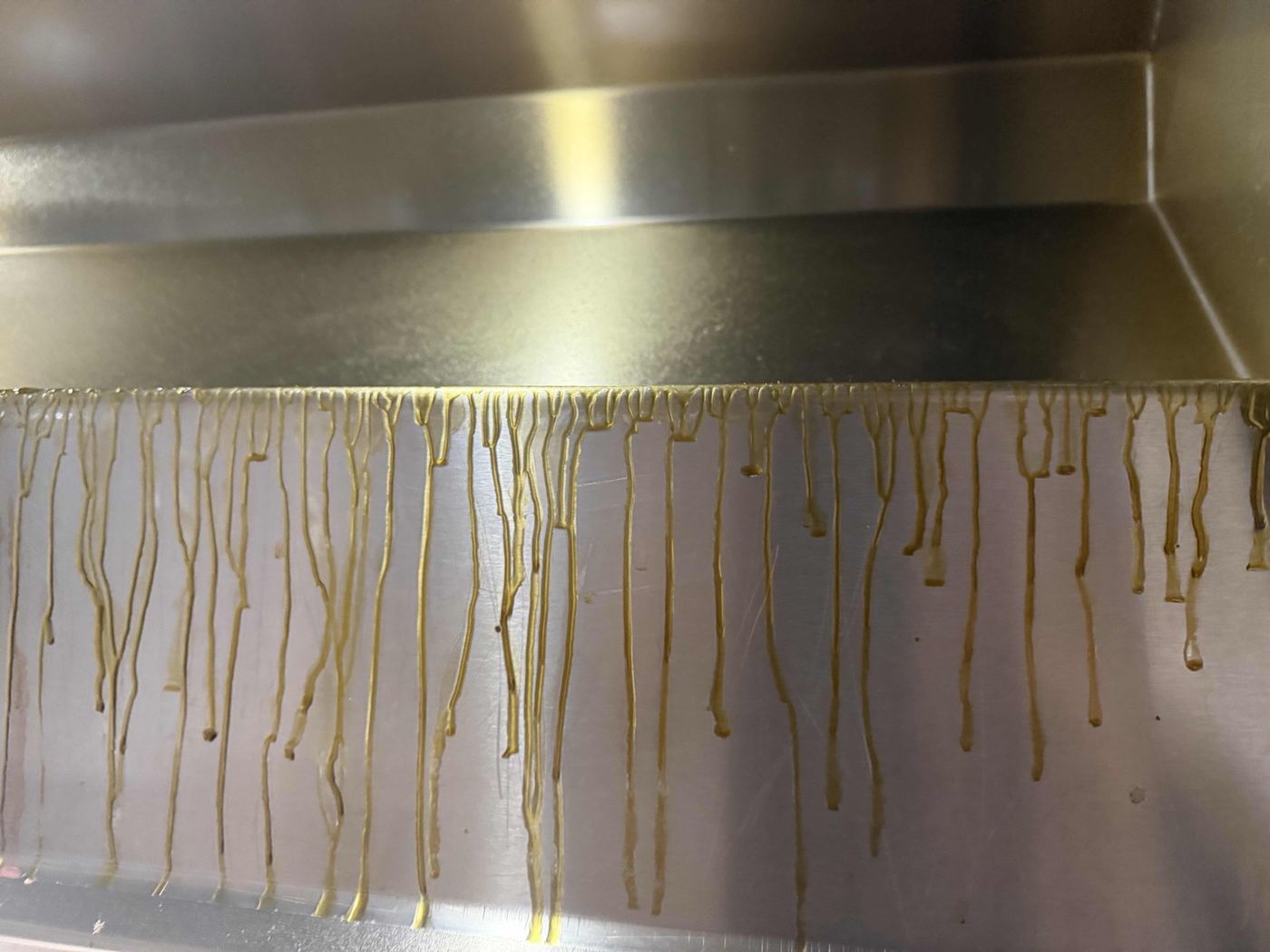
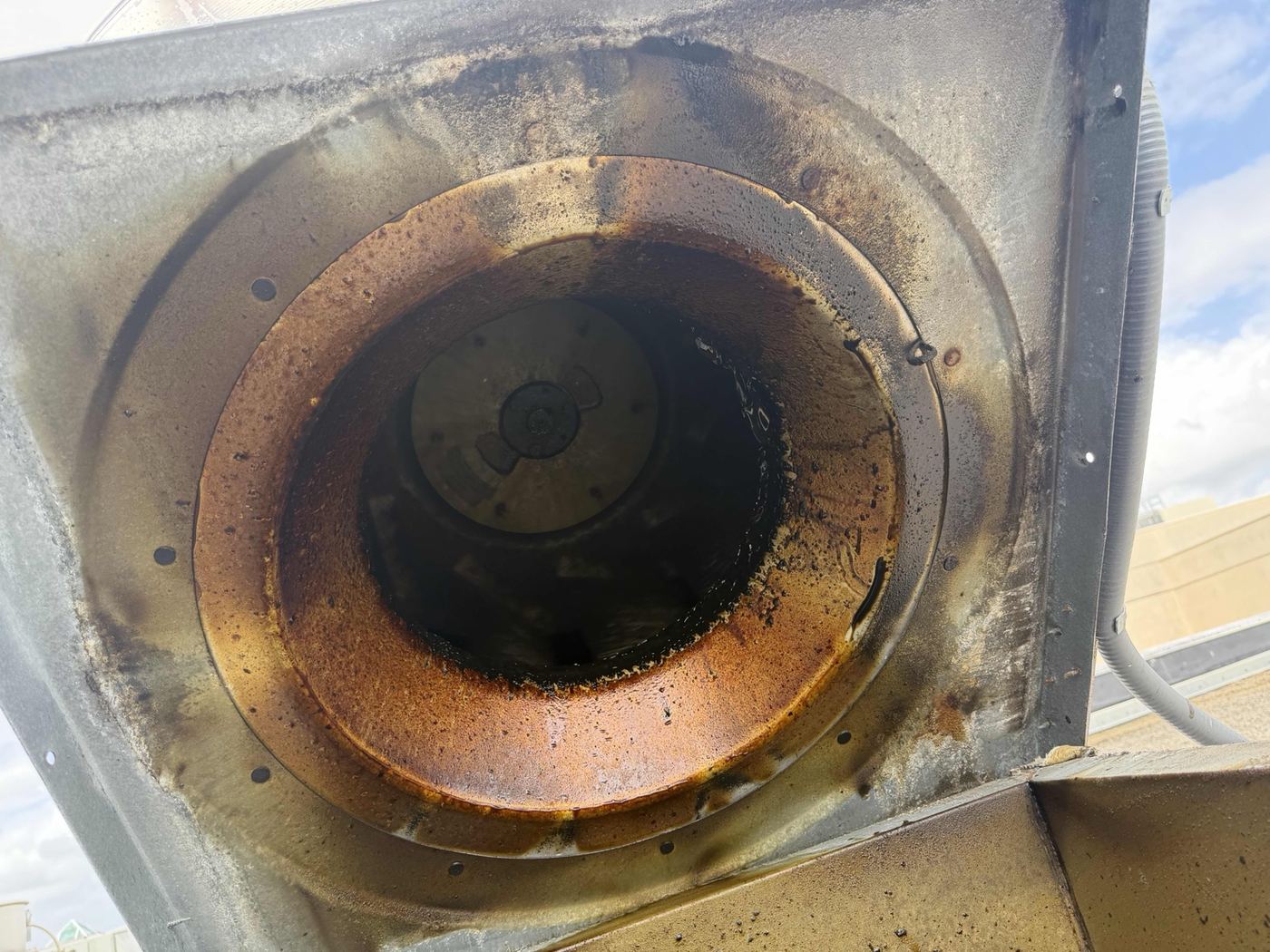
Section 606.3.3.2 says that if the inspection finds grease accumulation, the parts are cleaned under ANSI/IKECA C10. The code does not set a cleaning date by the calendar. The inspection result decides it.
A local company can take it from here. One form, free for restaurants.
Get a quote3. Records and the tag
Section 606.3.3.3 asks for written records:
- Inspection records state the individual and company, a description and the date.
- Cleaning records state the individual, the company and the date.
- All records are kept.
Under section 606.3.3.3.1, when a hood or duct system is inspected, a tag goes in a conspicuous place. It shows the service provider's name, address, phone number and the date of service. Older tags are covered or removed.
4. Keeping the system working between visits
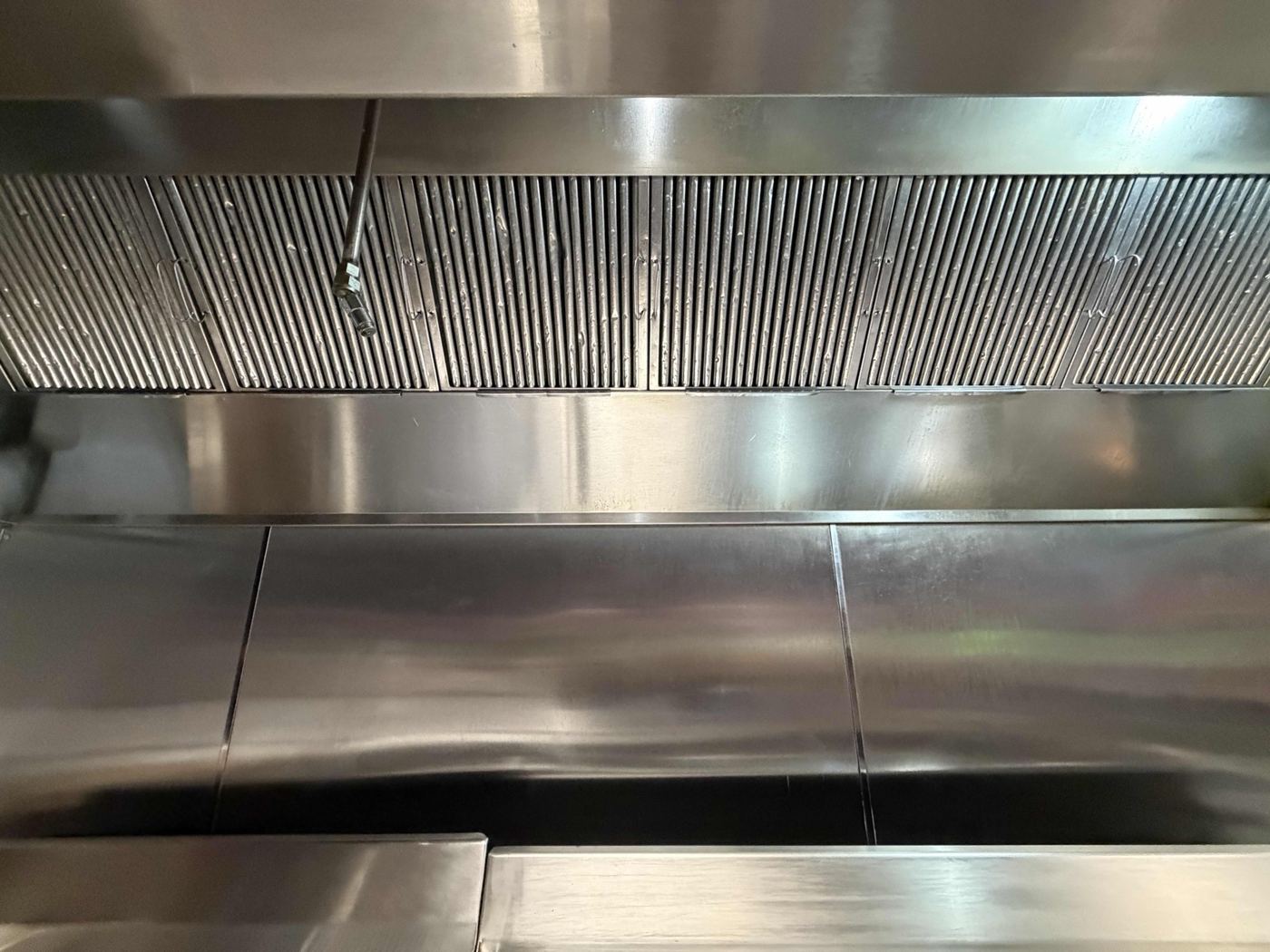
Section 606.3.1 says the ventilation system runs at the required air movement and the UL 1046 grease filters are in place. Section 606.3.2 says installed grease extractors run whenever the equipment is in use. The health rule 10 NYCRR 14-1.175 adds that the hood must stop grease from collecting on walls and ceilings or dripping on food.
5. Who may clean
The Fire Code says "qualified individuals" and cites ANSI/IKECA C10. We did not confirm a state license or certificate for hood cleaners. Ask your local fire code official what it accepts as proof.
6. What to ask before you book
- Which row of Table 606.3.3.1 does the company use for your cooking?
- Will it leave a tag with its name, address, phone and date?
- Will it give you a written record with the individual's name and the date?
- Does it clean to ANSI/IKECA C10 when it finds grease buildup?
The hoods and exhaust guide shows how the hood is built, and the fire suppression guide covers the system above the cooking line.
Describe your kitchen and cooking in the form, and the request goes to the number of local companies you choose (one to five).
Questions
How often must a New York restaurant hood be inspected?
It depends on the cooking. Table 606.3.3.1 sets 1 month for solid fuel, 3 months for high volume, 6 months for most kitchens and 12 months for low volume.
What does a hood cleaning record need to show?
The individual, the company and the date of the cleaning. Inspection records add a description. Section 606.3.3.3 says records are kept.
What standard governs hood cleaning in New York?
ANSI/IKECA C10. Section 606.3.3.2 applies it when an inspection finds grease accumulation in the hood, duct or fan.
Does New York license hood cleaners?
We did not confirm a state license for them. The code says qualified individuals, so ask the fire code official what proof it accepts.